
Discover how Real Mould manufactures RhyLOX™ MBR membranes with advanced hollow-fiber technology, robust fiber construction, quality-focused manufacturing, and 2,40,000 m² annual production capacity.
Introduction: Choosing the Right MBR Membrane Manufacturer in India
Membrane Bioreactor (MBR) technology has become an important solution for modern sewage treatment plants (STPs), effluent treatment plants (ETPs), and wastewater recycling applications. As industries increasingly focus on water reuse, treatment efficiency, and consistent effluent quality, the demand for reliable MBR membrane technology continues to grow.
However, not all MBR membranes deliver the same performance under actual operating conditions. Fiber integrity, membrane material, potting quality, module construction, fouling resistance, and manufacturing consistency can all influence the long-term performance of a membrane system.
When searching for the top MBR membrane manufacturers in India, customers should look beyond price and membrane area. The real question is: How well is the membrane engineered, manufactured, and supported throughout its operating life?
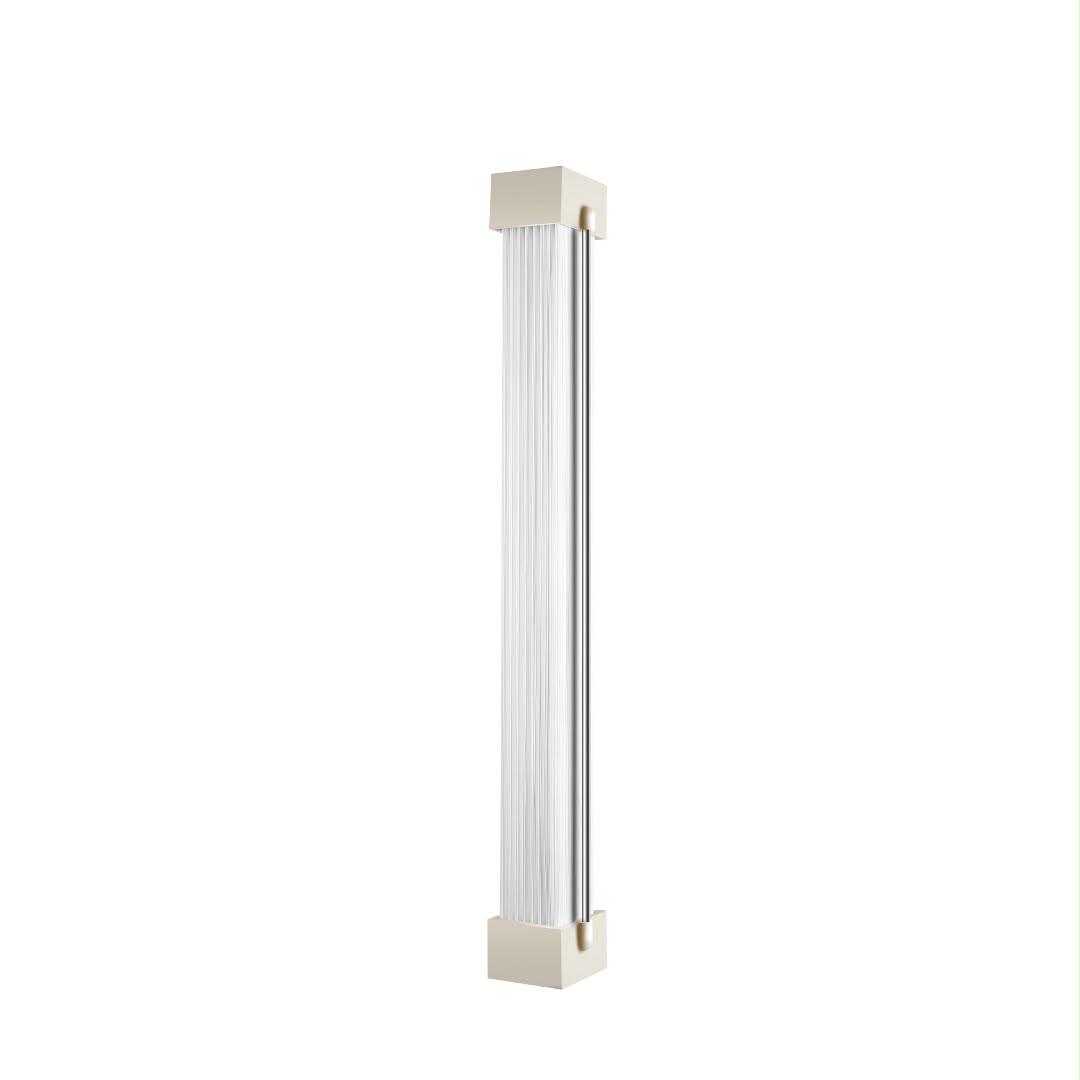
At Real Mould, we focus on hollow-fiber membrane manufacturing under our RhyLOX™ brand, combining manufacturing capabilities with product development and quality-focused production processes to serve wastewater treatment applications.
With an annual membrane production capacity of 2,40,000 m², Real Mould is equipped to address membrane requirements across a range of project sizes and supply needs.
1. What Makes an MBR Membrane Fiber Better?
The performance of an MBR membrane begins with the fiber itself. Although membrane modules may look similar from the outside, differences in fiber construction, mechanical properties, surface characteristics, and manufacturing consistency can affect their suitability for wastewater treatment.
1.1 Fiber Strength and Mechanical Integrity
MBR membranes operate in demanding environments involving continuous filtration, aeration, cleaning cycles, and exposure to wastewater constituents.
A mechanically robust fiber can help withstand normal operating stresses when used within its specified operating limits. Fiber integrity is particularly important because damaged fibers or defective seals can compromise the membrane barrier.
At Real Mould, fiber integrity and module construction are important considerations in developing RhyLOX™ membrane solutions.
What customers should evaluate:
- Fiber tensile and mechanical properties
- Resistance to damage under specified operating conditions
- Fiber integrity and leakage testing
- Consistency of fiber dimensions
- Quality of potting and sealing
Mechanical strength should be supported by appropriate test data rather than judged only by visual appearance.
1.2 Membrane Material: RPVDF and PTFE Options
Membrane material plays an important role in chemical compatibility, mechanical behaviour, filtration characteristics, and cleaning requirements.
Real Mould’s membrane portfolio includes RPVDF and PTFE-based membrane options for relevant applications.
RPVDF membrane technology
RPVDF-based membranes are considered for wastewater treatment applications where membrane performance, durability, and chemical compatibility must be evaluated together.
PTFE membrane technology
PTFE-based membranes offer a different material profile and may be suitable for applications requiring particular chemical and material characteristics, depending on the complete membrane design.
The best material depends on wastewater composition, operating temperature, cleaning chemicals, flux, and the manufacturer’s documented specifications. Customers should compare material properties alongside actual module performance.
1.3 Fiber Surface Characteristics and Fouling Management
Membrane fouling occurs when suspended solids, organic matter, biological material, or other constituents accumulate on or within the membrane structure.
Fouling behaviour depends on multiple factors, including fiber surface properties, wastewater characteristics, operating flux, aeration, and cleaning procedures.
A well-designed membrane system should be evaluated for:
- Sustainable operating flux
- Fouling development under representative conditions
- Cleaning recovery and operating stability
- Compatibility with the recommended cleaning protocol
- Performance under the intended wastewater conditions
No membrane is completely immune to fouling. The objective is to achieve reliable performance through appropriate membrane selection, process design, and maintenance.
2. Why Fiber Integrity and Potting Quality Matter
Even a high-quality membrane fiber requires proper module assembly to perform reliably.
Potting is the process of securing the hollow fibers within the module’s sealing and collection structure. Poor potting, incomplete sealing, or manufacturing defects can result in leakage and reduce effective filtration performance.
For this reason, customers comparing MBR membrane manufacturers should evaluate both the fiber and the completed membrane module.
At Real Mould, manufacturing quality should be assessed through the relevant inspection procedures, potting checks, fiber-integrity tests, and finished-module quality records available for the selected product.
A membrane’s reliability is the result of the complete manufacturing process—not simply the polymer used to produce the fiber.
3. Real Mould: MBR Membrane Manufacturing at Scale
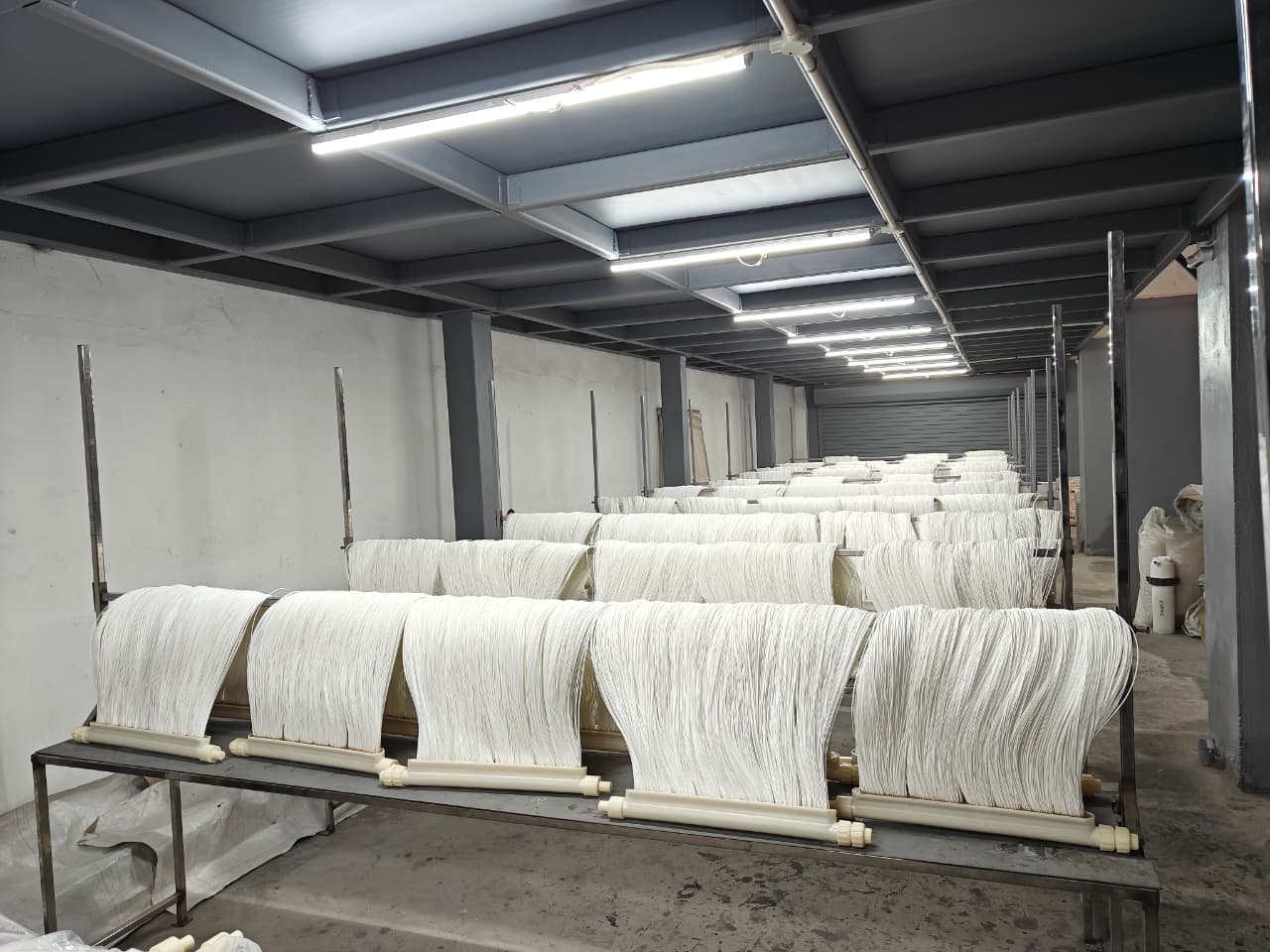
Real Mould manufactures wastewater treatment components in Ahmedabad, Gujarat, India, and offers hollow-fiber membrane solutions under the RhyLOX™ brand.
Manufacturing capacity: 2,40,000 m² annually
Real Mould has an annual membrane production capacity of 2,40,000 m², providing manufacturing capability to support membrane supply requirements at scale.
This capacity is relevant for customers looking for:
- Membrane supply for new STP and ETP projects
- Replacement modules for existing MBR plants
- Repeat orders and ongoing supply requirements
- OEM and private-label manufacturing discussions
- Long-term manufacturing partnerships
Manufacturing capacity is only one part of supplier evaluation. Product consistency, quality assurance, delivery planning, and technical suitability remain essential when selecting a manufacturing partner.
Why manufacturing capability matters
A manufacturer with substantial production capability can plan for larger orders and recurring demand. Customers should also assess the manufacturer’s quality systems, production planning, inspection procedures, and ability to maintain consistent product specifications across batches.
At Real Mould, the objective is to combine manufacturing scale with membrane solutions suited to customers’ technical and commercial requirements.
4. RhyLOX™ MBR Membranes: Designed for Wastewater Treatment Applications
RhyLOX™ is Real Mould’s membrane brand, offering solutions for MBR applications and selected membrane replacement requirements.
The portfolio includes different membrane configurations and material options. The appropriate model should be selected based on the required membrane area, system configuration, wastewater characteristics, and operating conditions.
Key considerations when evaluating RhyLOX™ membranes
- Hollow-fiber membrane construction
- Available RPVDF and PTFE-based options
- Module configuration and membrane area
- Fiber integrity and potting quality
- Compatibility with specified operating and cleaning conditions
- Suitability for new installations or selected replacement applications
Customers evaluating RhyLOX™ membranes can share their existing module specifications or project design parameters with Real Mould to determine which configuration is appropriate.
5. How to Compare MBR Membrane Manufacturers in India
When evaluating different MBR membrane manufacturers, buyers should compare measurable product characteristics rather than relying on marketing claims alone.
| Parameter | Why it matters |
|---|---|
| Fiber mechanical properties | Helps assess suitability for the intended operating conditions |
| Membrane material | Determines relevant material and chemical characteristics |
| Fiber integrity | Helps verify the membrane barrier and module sealing |
| Potting quality | Important for preventing leakage around fiber seals |
| Operating flux | Influences required membrane area and filtration performance |
| Fouling and cleaning behaviour | Affects maintenance and operating stability |
| Production capacity | Helps assess the manufacturer’s ability to support demand |
| Quality documentation | Provides evidence of product consistency and inspection |
| Replacement compatibility | Important when upgrading an existing membrane plant |
| Technical support | Helps with selection, operation, and maintenance planning |
A manufacturer should be able to explain the product’s intended operating range and provide supporting technical information where available.
6. Applications of RhyLOX™ MBR Membranes
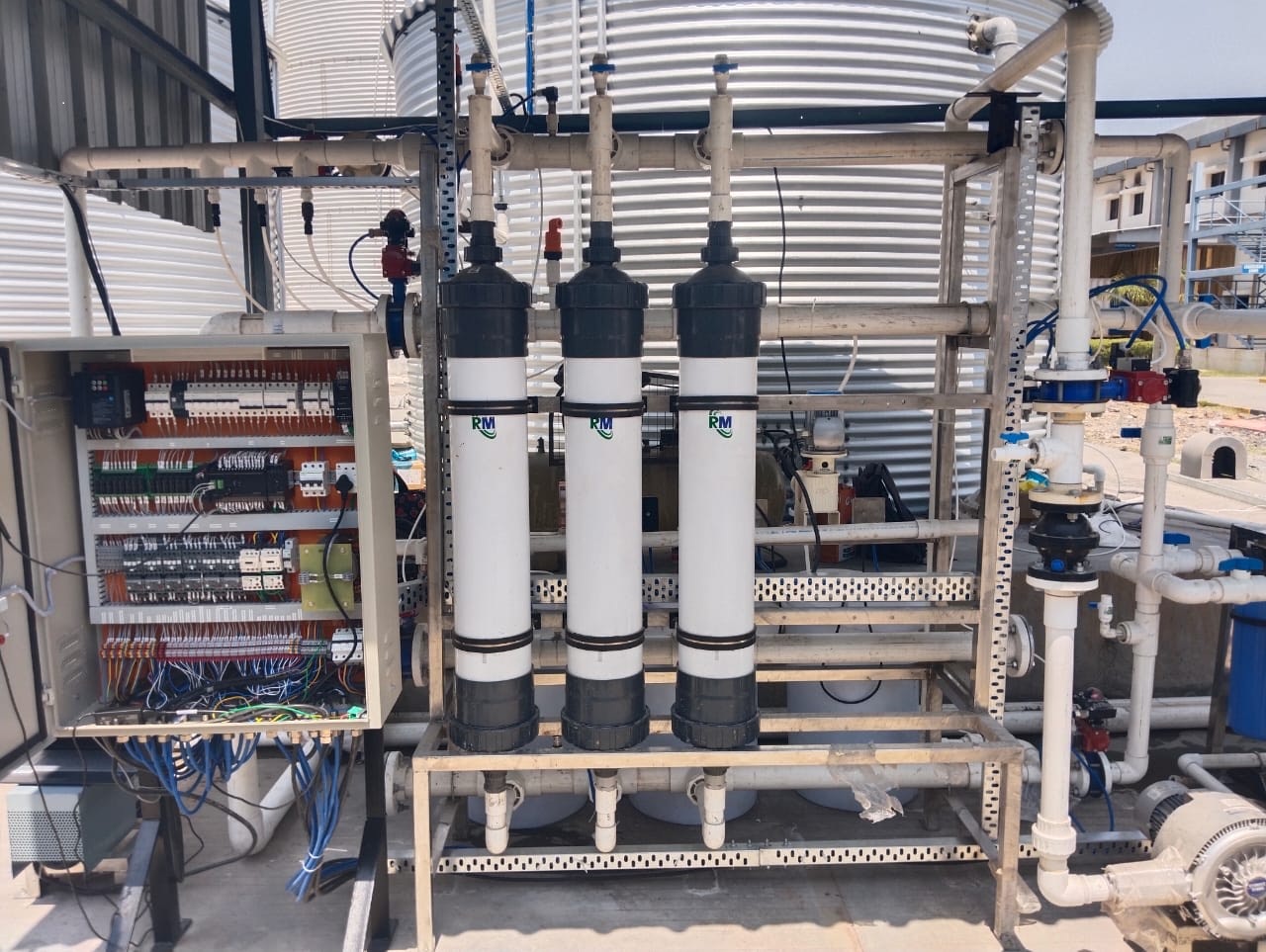
Hollow-fiber MBR technology is used in a variety of wastewater treatment applications, subject to appropriate process design and membrane selection.
Municipal sewage treatment plants
MBR systems can provide treated water suitable for specified discharge or reuse requirements when the complete treatment process is correctly designed and operated.
Industrial effluent treatment plants
Industrial applications require careful assessment of wastewater chemistry, temperature, suspended solids, and potential membrane-damaging substances.
Commercial and residential wastewater treatment
Hotels, residential developments, commercial facilities, and institutions may use MBR systems where space availability and treated-water quality are important considerations.
Wastewater recycling and reuse
MBR technology can form part of a broader water reuse process. Additional treatment or disinfection may be necessary depending on the intended reuse and applicable standards.
7. Selecting the Right MBR Membrane for Your Project
Before finalising a membrane supplier, customers should confirm the following information:
- Design flow rate in KLD or m³/day.
- Wastewater characteristics, including BOD, COD, TSS, pH, and temperature.
- Required membrane area and design flux.
- MLSS concentration and aeration arrangement.
- Filtration, relaxation, and cleaning cycles.
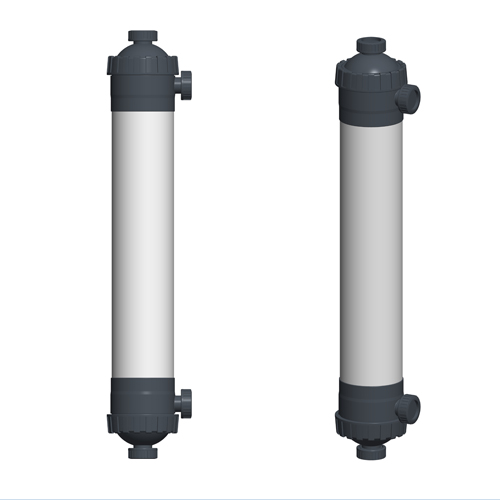
- Module dimensions and connection requirements.
- Product warranty, delivery schedule, and technical documentation.
For replacement projects, existing membrane details and operating history can help determine whether a new module is compatible with the plant.
Frequently Asked Questions
Who are the top MBR membrane manufacturers in India?
The appropriate manufacturer depends on membrane technology, product quality, manufacturing capabilities, technical documentation, and application requirements. Buyers should compare suppliers against consistent technical and commercial criteria. Real Mould is an Indian manufacturer offering RhyLOX™ membrane solutions from Ahmedabad, Gujarat.
What is Real Mould’s annual membrane production capacity?
Real Mould has an annual membrane production capacity of 2,40,000 m². Customers should confirm current product availability, order requirements, and delivery schedules for specific projects.
What makes an MBR membrane fiber reliable?
Fiber reliability depends on its material properties, mechanical integrity, operating conditions, and manufacturing quality. Potting, sealing, and finished-module inspection are also important to the performance of the complete membrane module.
Does Real Mould offer RPVDF and PTFE membranes?
Real Mould’s membrane portfolio includes RPVDF and PTFE-based options. The suitability and available configurations should be confirmed against the relevant product datasheets.
Can RhyLOX™ membranes be used to replace existing MBR modules?
Selected replacement applications may be possible. Compatibility must be checked using the existing module dimensions, membrane area, connections, operating conditions, and cleaning requirements.
Conclusion: Real Mould’s Approach to MBR Membrane Manufacturing
Selecting an MBR membrane is a technical decision that affects filtration performance, maintenance requirements, and the long-term operation of a wastewater treatment plant.
Fiber integrity, material selection, potting quality, manufacturing consistency, and appropriate operating conditions all deserve careful attention when comparing membrane manufacturers.
With an annual membrane production capacity of 2,40,000 m², Real Mould offers manufacturing capabilities for RhyLOX™ membrane solutions and supports discussions around project requirements, replacement applications, and OEM opportunities.
For customers looking for an MBR membrane manufacturer in India, the next step is to evaluate the product specifications against the actual requirements of the treatment plant.
Looking for MBR membrane solutions for your next project?
Contact Real Mould to discuss your membrane requirements, technical specifications, and manufacturing needs.
Real Mould | RhyLOX™ Membranes | Ahmedabad, Gujarat, India