
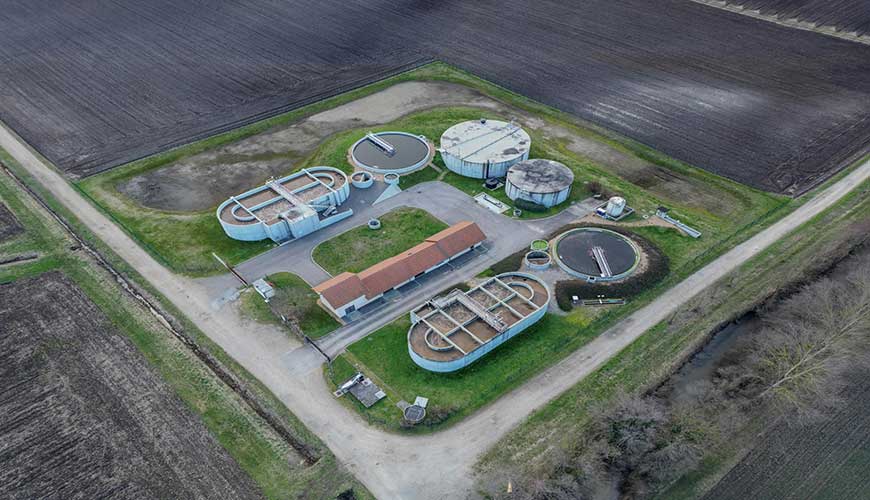
Industrial growth brings challenges like wastewater generation, making Effluent Treatment Plants (ETPs) essential for compliance and environmental protection. Among advanced treatment technologies, Membrane Bioreactor (MBR) systems are gaining attention. But the question is: Is MBR membrane suitable for ETP applications? Let’s find out.
What is an MBR Membrane?
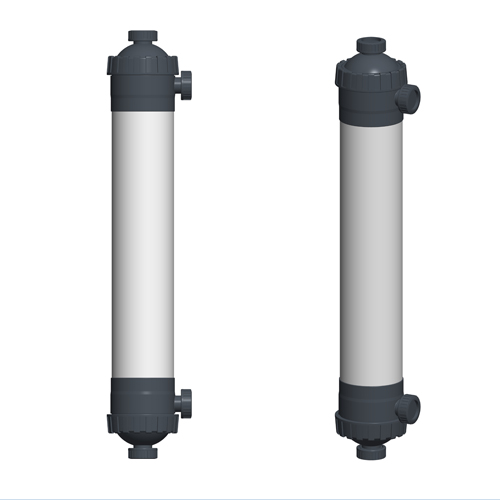
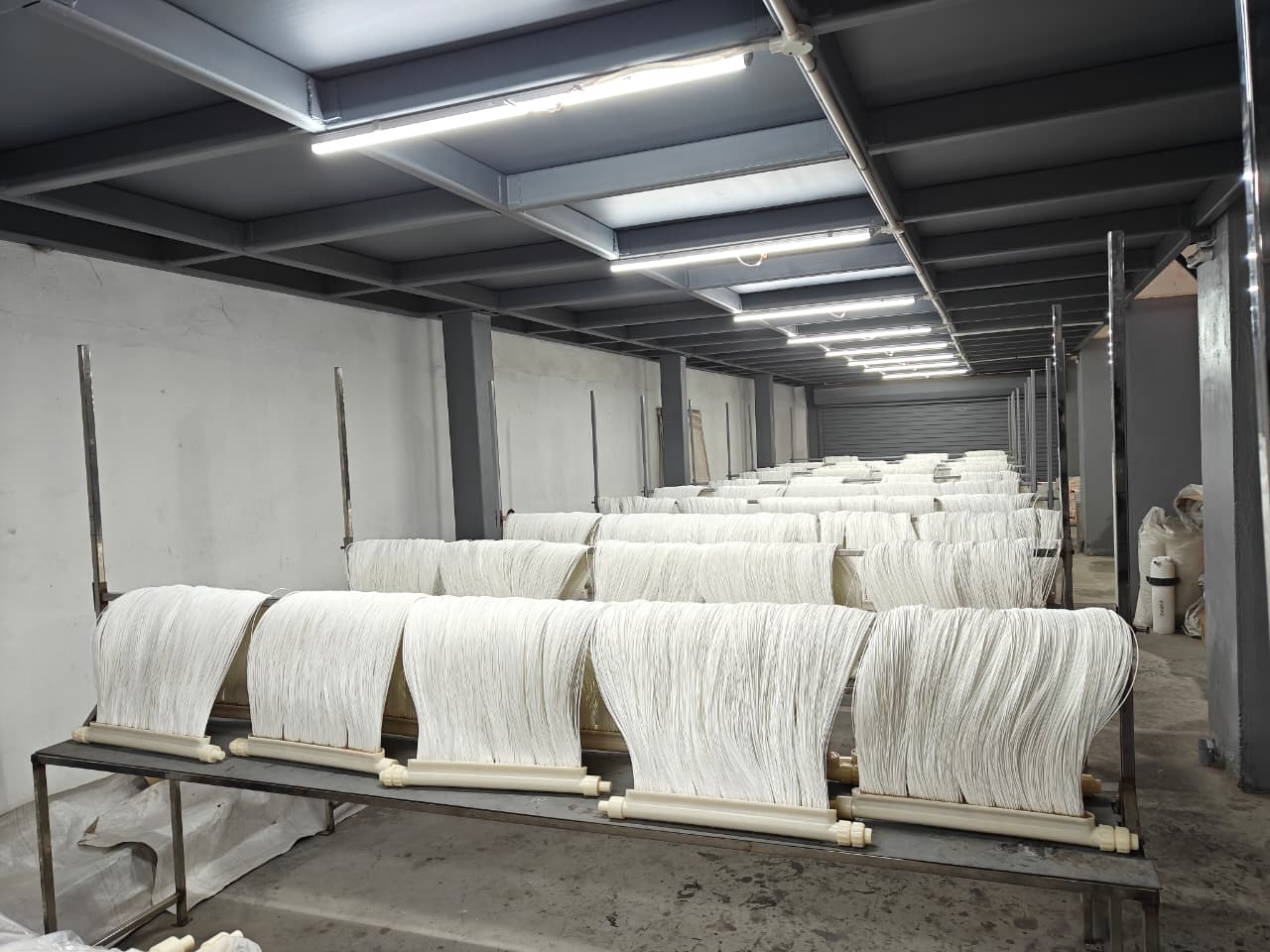
An MBR membrane is a combination of biological treatment and membrane filtration in one system. It uses ultrafiltration (UF) or microfiltration (MF) membranes, typically hollow fiber or flat sheet, to separate solids, bacteria, and pathogens from treated water.
Unlike conventional treatment methods that require secondary clarifiers, MBR membranes provide direct solid-liquid separation, producing high-quality permeate suitable for reuse.
Why ETP Requires Advanced Solutions?
Industrial effluent often contains:
-
High COD & BOD
-
Suspended solids
-
Oil & grease
-
Toxic chemicals and heavy metals
Traditional systems sometimes fail to meet stringent discharge norms, especially for reuse or ZLD compliance. This is where MBR technology becomes relevant.
MBR in ETP: Is It Suitable?
Yes, MBR membranes are highly suitable for ETPs, particularly in industries like textile, pharmaceuticals, food & beverage, chemicals, and power plants, because they:
✔ Handle Variable Loads – Effective even with fluctuating influent quality
✔ Produce High-Quality Effluent – Turbidity <1 NTU, SDI <3
✔ Enable Water Reuse – Supports recycling for process water
✔ Compact Footprint – 40–60% smaller than conventional systems
Advantages of Using MBR in ETP
✅ Better Removal Efficiency – Removes suspended solids, bacteria, and viruses
✅ Meets Stringent Norms – Suitable for ZLD and discharge compliance
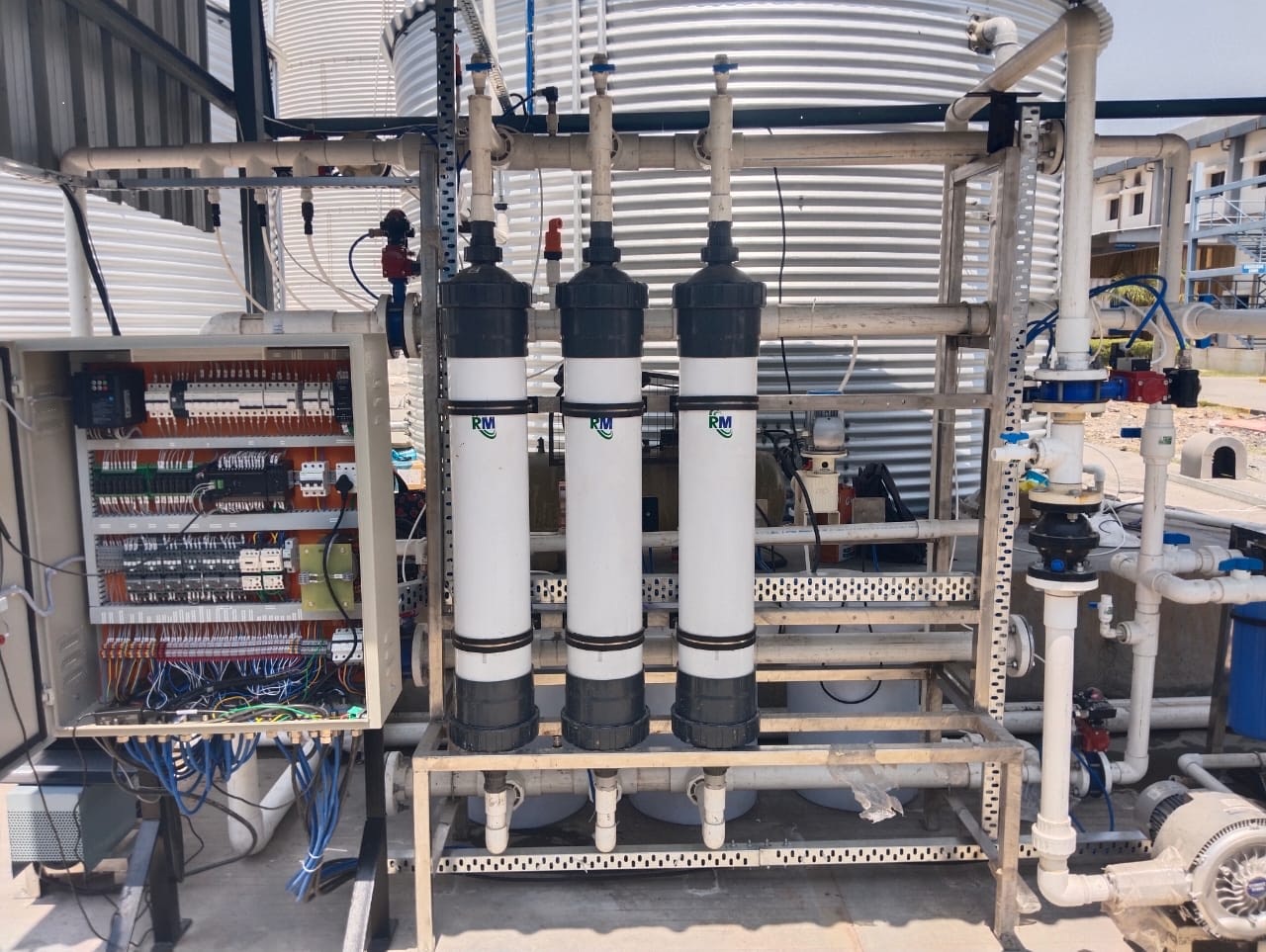
✅ Automation Ready – Easy to integrate with SCADA systems
✅ Less Sludge Production – Reduces disposal costs
Challenges & Considerations
-
Higher CAPEX compared to conventional systems
-
Membrane fouling if pretreatment is inadequate
-
Requires skilled operation & maintenance
Solution: With proper design, automated cleaning, and aeration system, these challenges are manageable, making MBR a long-term cost-effective choice.
Conclusion
MBR membranes are not just suitable but highly recommended for ETPs where:
-
Water reuse is mandatory
-
Space is limited
-
Regulatory norms are strict
Investing in MBR-based ETP ensures sustainability, compliance, and operational efficiency for industries moving towards zero liquid discharge (ZLD).