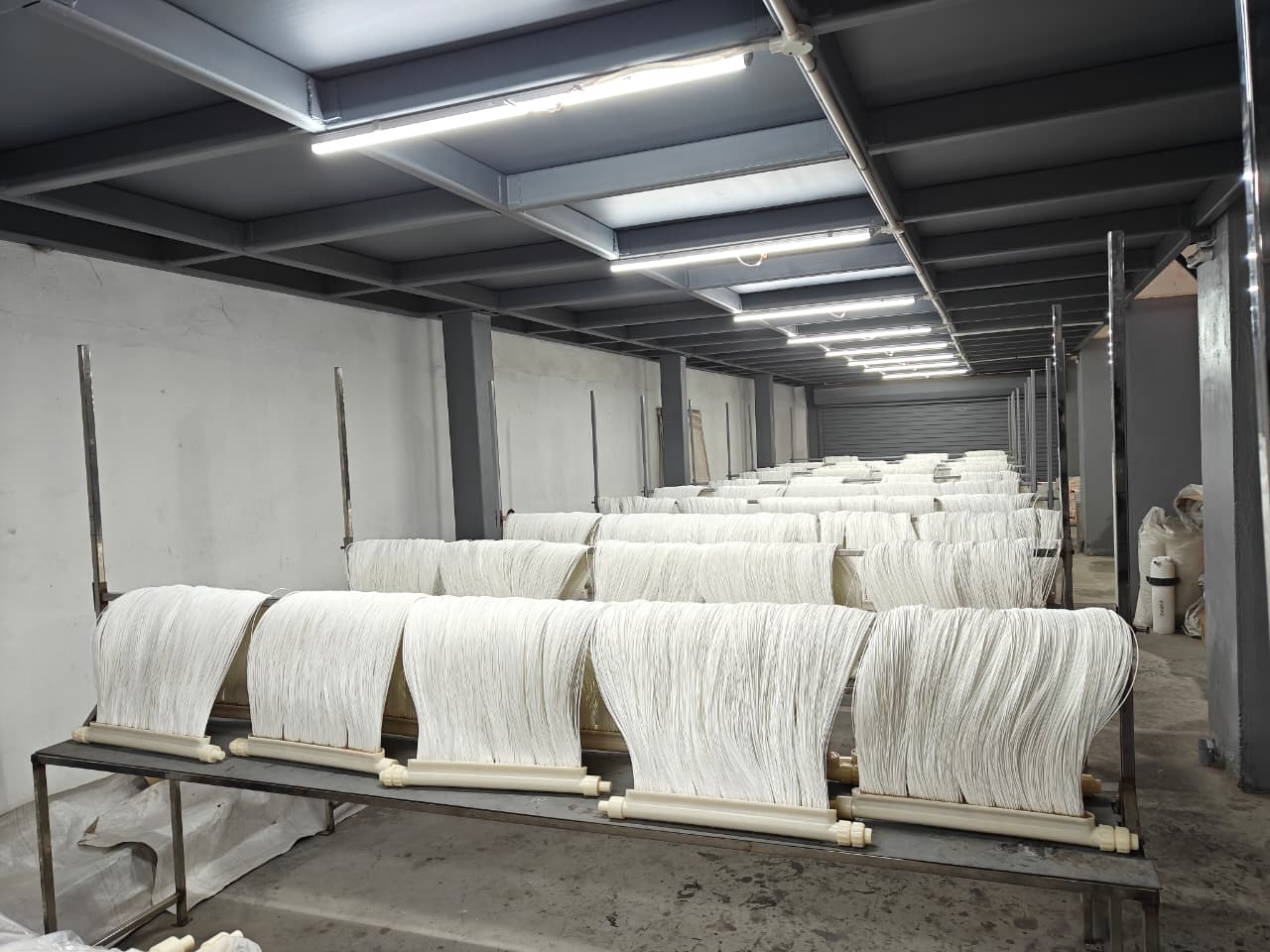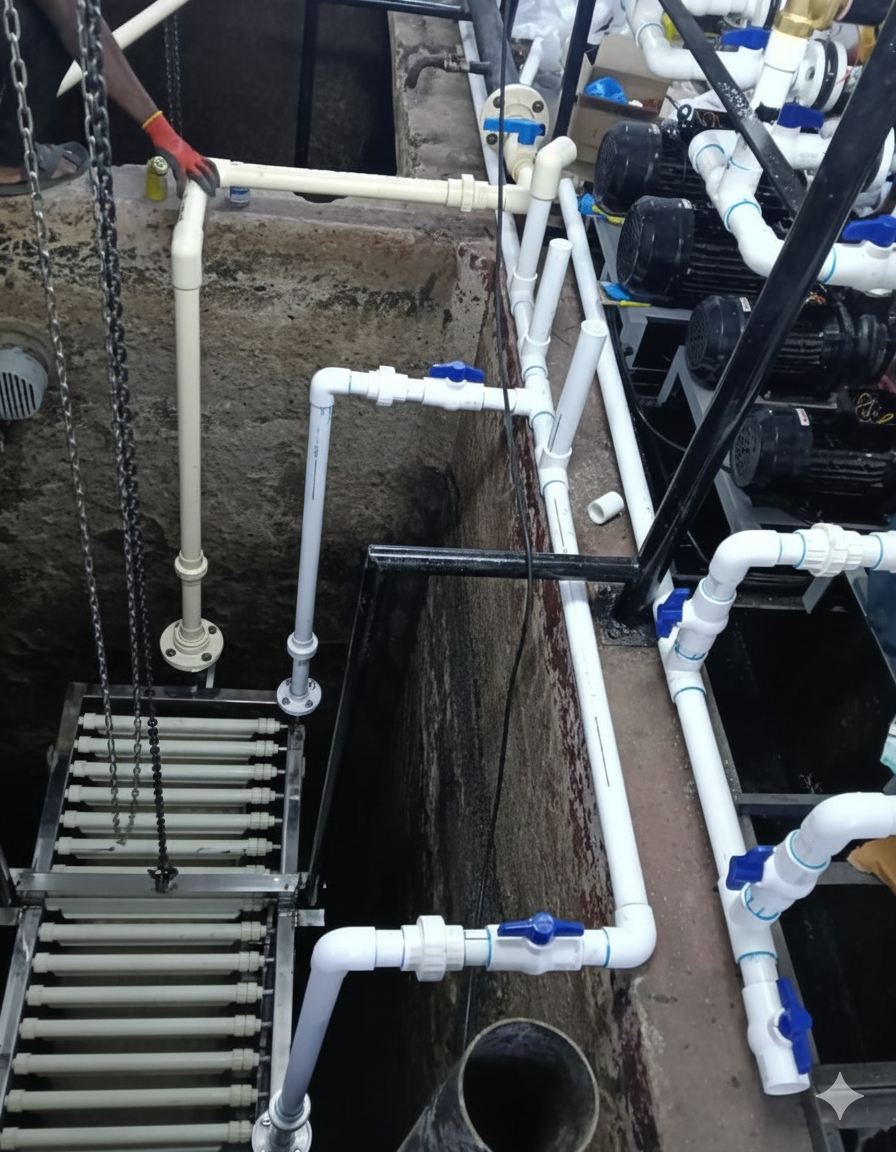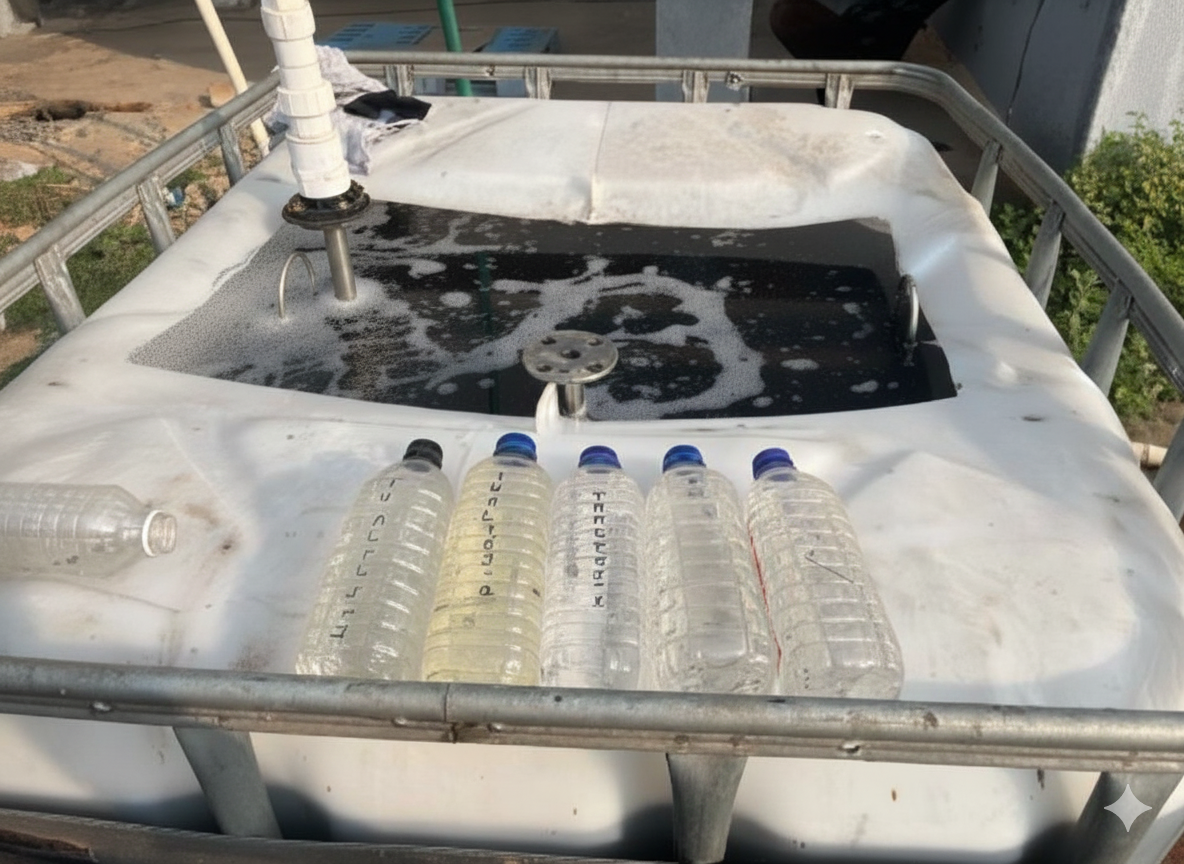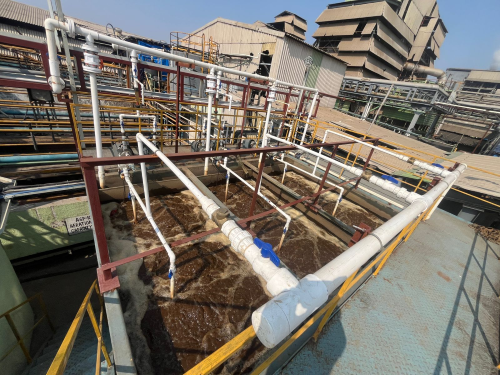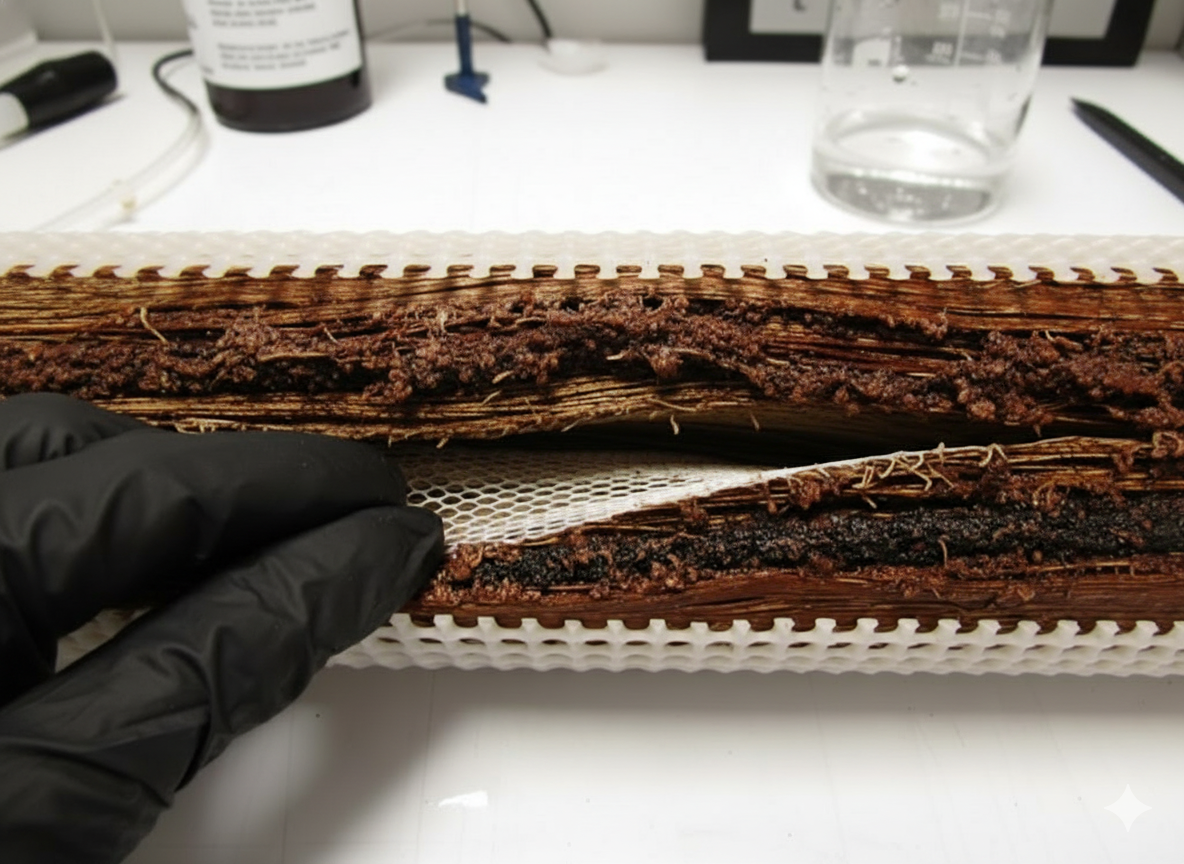

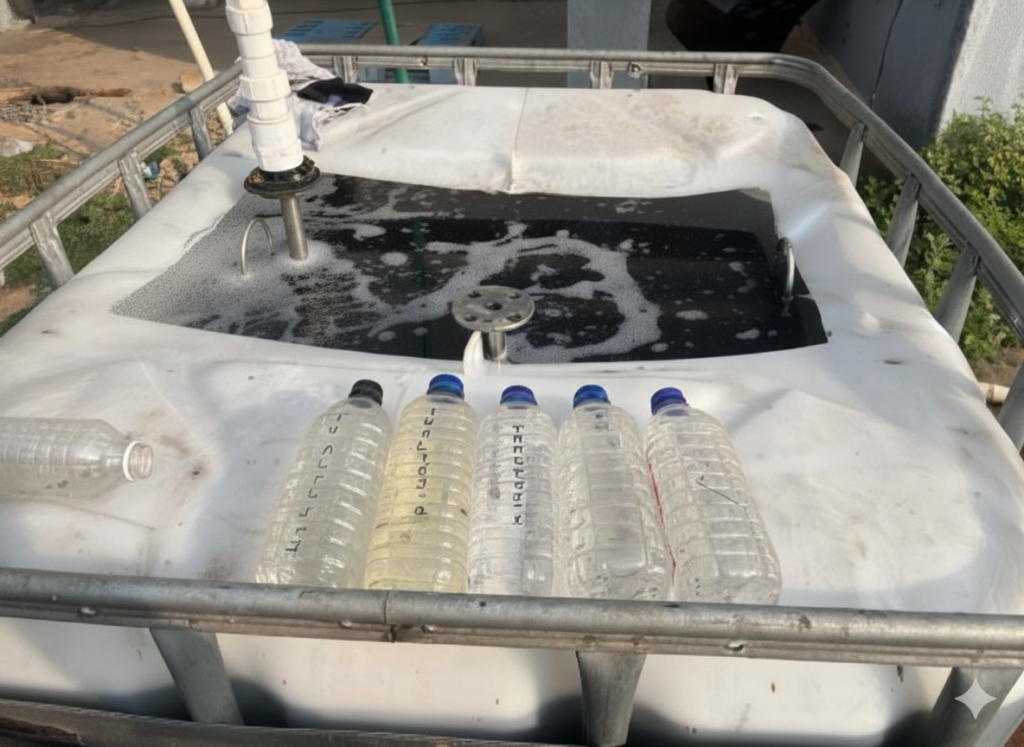
Membrane Bio-Reactor (MBR) technology has become the most preferred solution for municipal and industrial wastewater treatment. With rising demand for high-quality treated water, compact plant design, and reliable performance, MBR systems—powered by advanced RhyLOX R-PVDF hollow-fiber membranes—deliver a level of efficiency that conventional STPs simply cannot match.
This blog explains the key advantages of MBR, why industries are replacing old ASP/SAFF/MBR systems, and how RhyLOX membranes offer better flux, durability, and long-term stability.
1. Superior Treated Water Quality
One of the biggest advantages of MBR is the exceptional quality of permeate.
MBR treated water consistently achieves:
-
BOD < 5 mg/L
-
TSS ~ 0 mg/L (virtually no suspended solids)
-
Turbidity < 0.2 NTU
-
Pathogen & bacteria removal through membrane filtration
This high-quality permeate is suitable for:
-
Toilet flushing
-
Gardening
-
Cooling towers
-
Industrial reuse
-
RO feed (with minimal pretreatment)
With RhyLOX R-PVDF membranes, the pore size uniformity ensures even more consistent ultrafiltration.
2. 50–70% Smaller Footprint
MBR replaces secondary clarifiers, sand filters, and tertiary units.
So civil requirement reduces by:
-
50–70% land area
-
Lower construction cost
-
Smaller tank volume
This is why MBR is ideal for:
-
Residential societies
-
Hotels
-
Hospitals
-
Industrial plants
-
Existing STP upgradation
The compact design of RhyLOX MBR modules makes installation faster and more scalable.
3. Higher MLSS for More Treatment Capacity
MBR operates at 6,000–10,000 mg/L MLSS, compared to 2,000–3,000 mg/L in conventional systems.
Higher MLSS = higher biodegradation capacity.
This allows:
-
Same tank to treat 2× more flow
-
Stable performance during shock loads
-
Faster response to BOD/COD fluctuations
RhyLOX fibers maintain strength and performance even at high sludge concentration.
4. Consistent Performance Under Load Fluctuations
Unlike clarifier-based systems, MBR is unaffected by:
-
Hydraulic surges
-
Rainwater dilution
-
Industrial spikes
-
Bulking or sludge washout
Because the membrane physically separates solids, performance remains stable throughout.
5. No Secondary Clarifier Required
MBR eliminates:
-
Clarifier
-
Sand filter
-
Activated carbon filter
This removes the risk of:
-
Sludge bulking
-
Poor settling
-
Overflow
-
Clarifier malfunction
This also reduces O&M complexities.
6. Lower Sludge Production
Due to long SRT (20–40 days), MBR systems generate significantly less sludge.
This means:
-
Lower sludge handling cost
-
Reduced transportation
-
Smaller sludge drying infrastructure
RhyLOX membranes allow stable operation at high SRT without fiber damage or fouling increase.
7. Easy Automation & Reliable Operation
Modern MBR systems are fully automatable:
-
Auto-backwash
-
Air scouring
-
CIP (Clean-in-Place)
-
TMP-based membrane control
RhyLOX MBR modules support low-TMP operation, reducing energy consumption and improving reliability.
8. Direct Water Reuse Without Additional Filtration
MBR permeate is clean enough to bypass tertiary filtration.
Can directly feed:
-
Cooling towers
-
Gardening networks
-
Industrial washing
-
RO
This simplifies the system and reduces capital cost.
9. Lower OPEX with RhyLOX R-PVDF Technology
RhyLOX MBR membranes offer:
-
Higher chlorine tolerance
-
Better anti-fouling surface
-
Stable long-term flux
-
Longer membrane life
-
Lower aeration requirement
This results in up to 30% lower operating cost over the plant’s lifetime.
Conclusion
MBR technology is the future of wastewater treatment. With unmatched water quality, compact design, stable performance, and low O&M requirements, it has become the preferred solution globally. When paired with RhyLOX R-PVDF MBR membranes, plants achieve better efficiency, higher durability, and significantly lower lifecycle cost.
If you’re planning a new STP/ETP or upgrading an existing one, RhyLOX MBR is a reliable, long-life, and high-performance choice.
If you want, I can also create:
✔ A cover image for this blog
✔ A short version for LinkedIn
✔ A comparison table (MBR vs Conventional STP)
✔ A call-to-action box for bottom of blog