
What is an MBR Membrane?
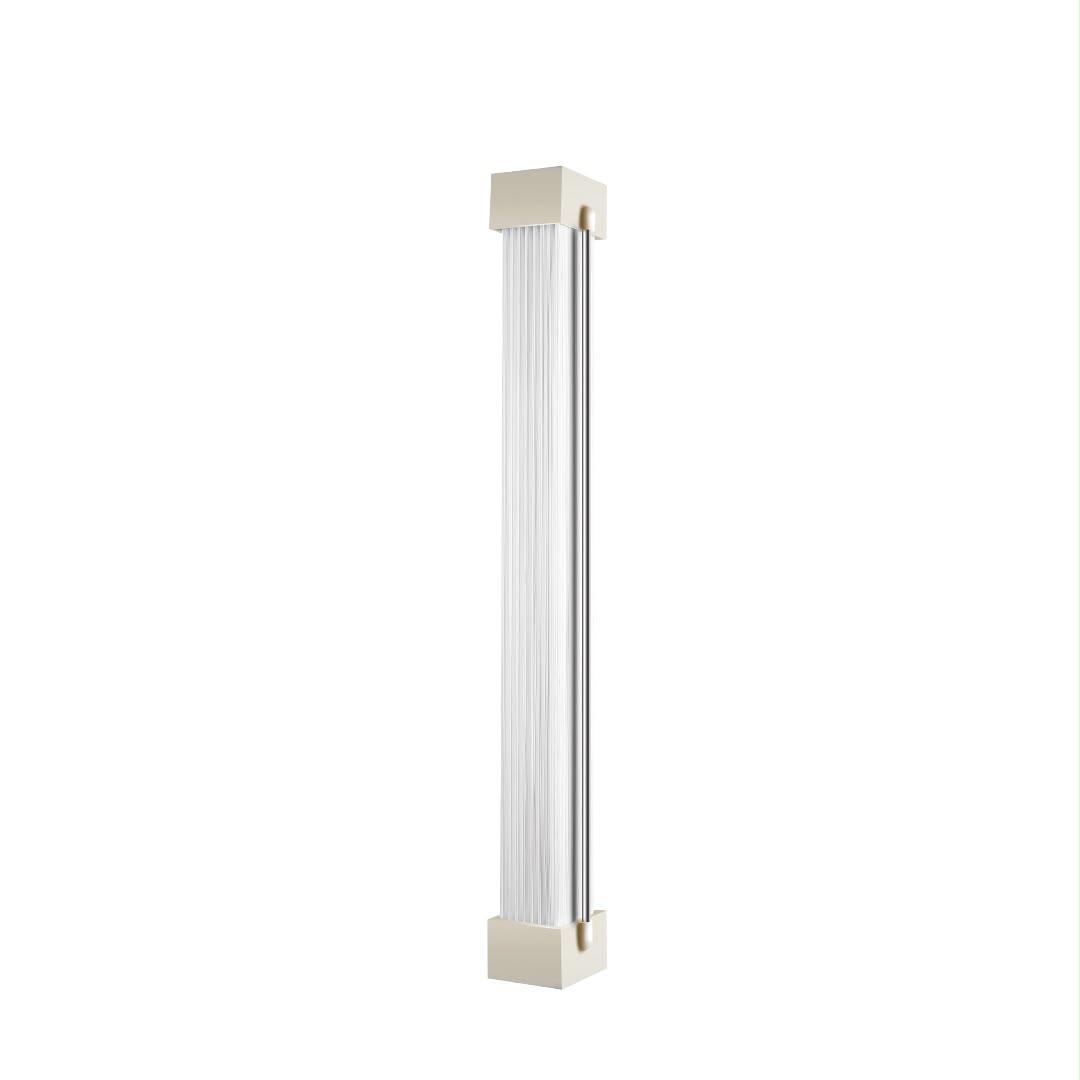
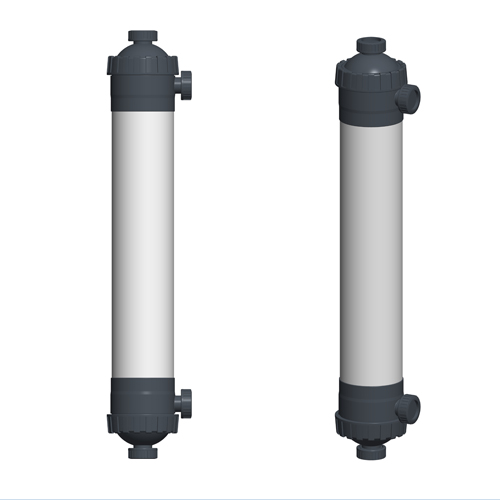
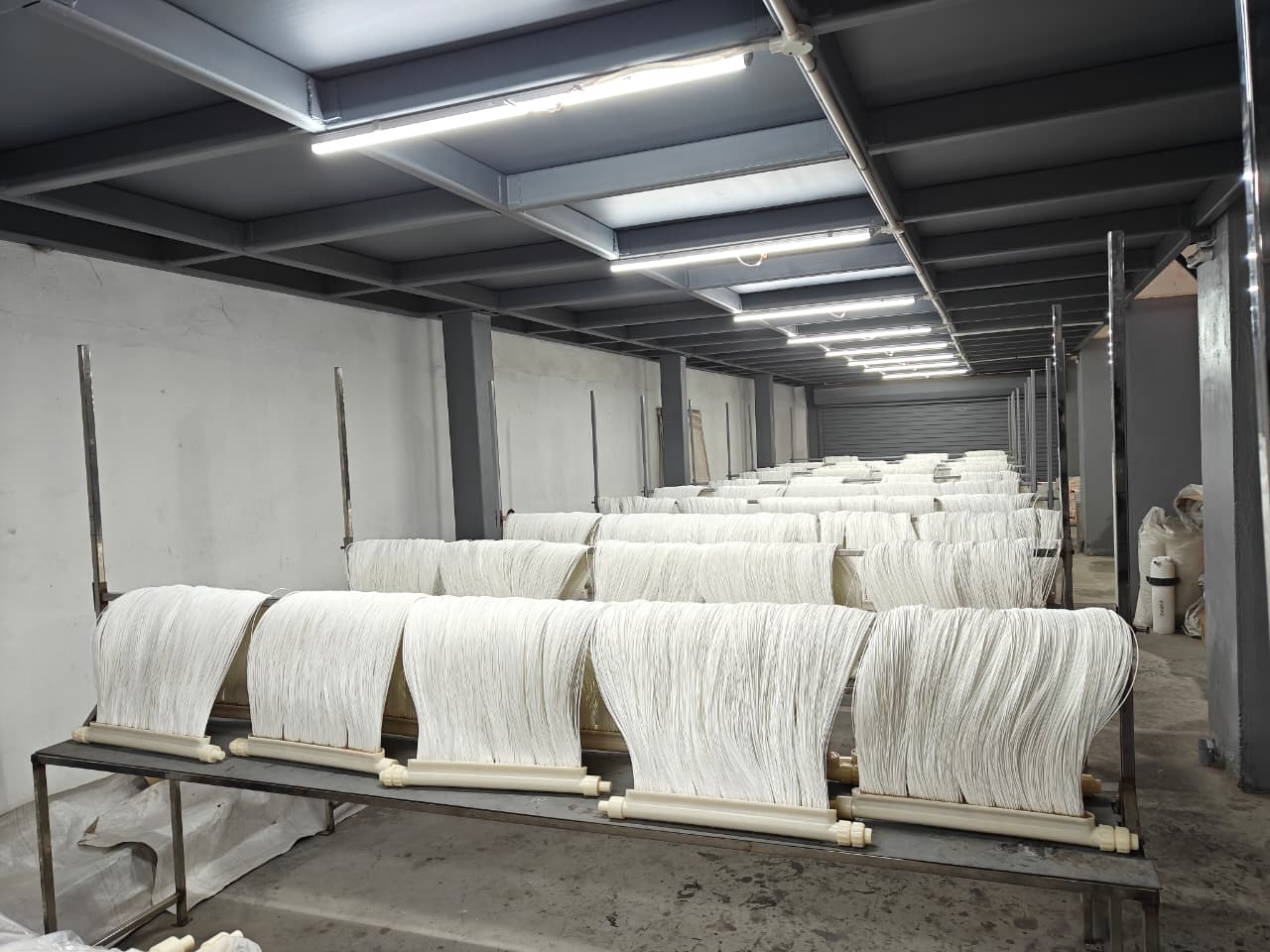
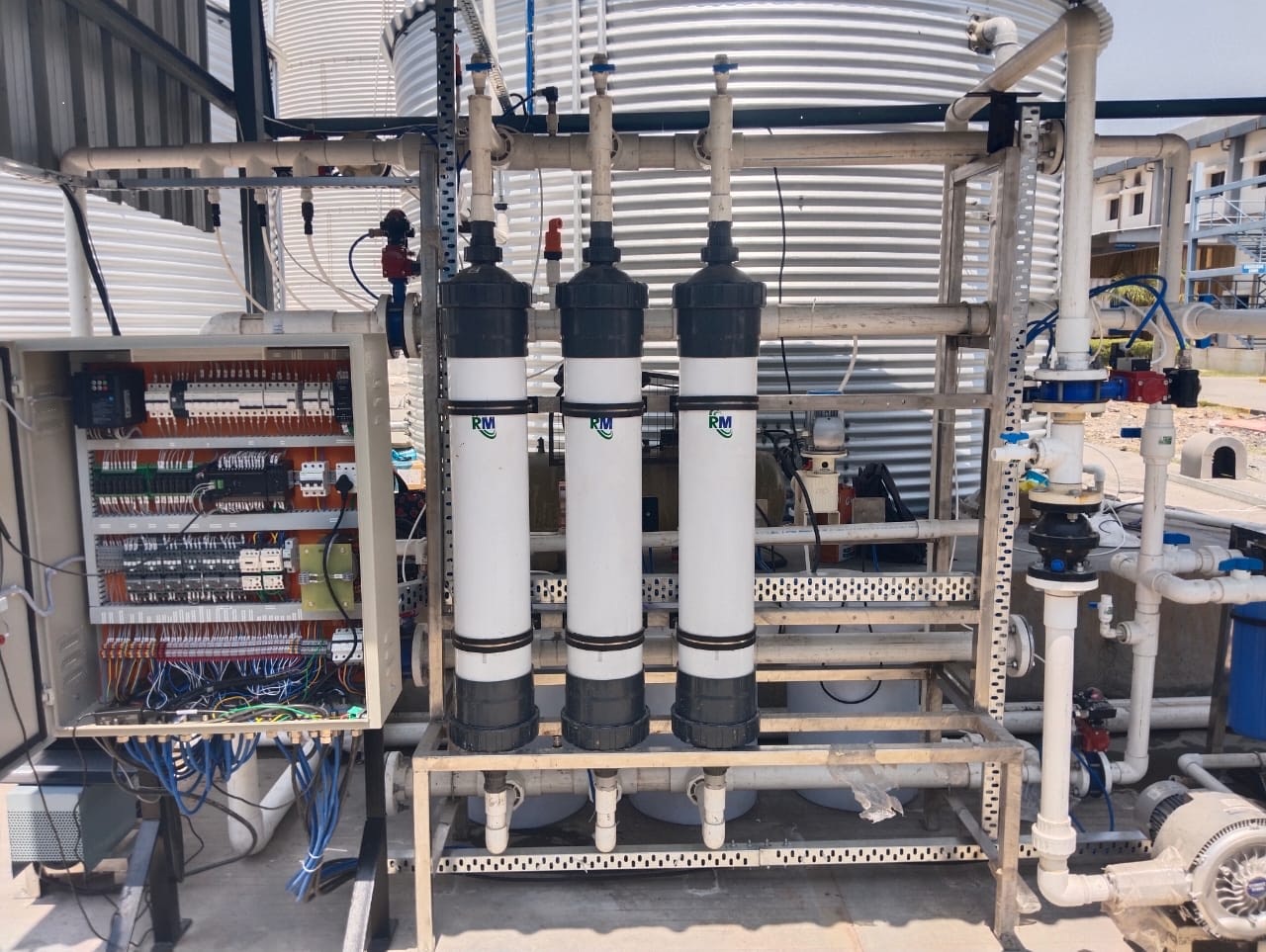
An MBR (Membrane Bioreactor) membrane is used in wastewater treatment plants to separate clean water from biological sludge using hollow fiber filtration instead of a traditional clarifier.
It combines:
- Biological treatment (aeration tank)
- Membrane filtration (solid-liquid separation)
Step-by-Step: How MBR Membrane is Used
1. Pre-Treatment (Very Important)
Before using an MBR membrane, proper pre-treatment is required to avoid damage and fouling.
Includes:
- Screening (coarse & fine screen)
- Grit removal
- Oil & grease trap
👉 Why?
MBR membranes are sensitive — large particles can choke or damage fibers.
2. Biological Treatment Tank (Aeration Tank)
Wastewater enters the aeration tank where:
- Air is supplied using diffusers
- Microorganisms break down organic matter (BOD/COD)
Typical Parameters:
- MLSS: 3000–12000 mg/L
- DO: 2–4 mg/L
3. Membrane Tank (MBR Section)
MBR membranes are installed inside a tank (submerged type).
How It Works:
- Membranes are dipped in mixed liquor
- Suction pump pulls clean water through membrane pores
- Solids, bacteria, and sludge are retained
Flow Concept
Q=A×JQ = A \times J
Where:
- QQ = Permeate flow
- AA = Membrane area
- JJ = Flux (LMH)
4. Permeate Collection
Filtered water (permeate) is collected and can be:
- Reused (gardening, flushing, cooling)
- Sent to RO for further purification
5. Air Scouring (Critical Step)
Air is continuously supplied below membranes using diffusers.
Purpose:
- Prevent fouling
- Clean membrane surface
- Increase membrane life
6. Backwashing & Cleaning
a) Physical Cleaning:
- Backwash every 10–30 minutes
- Relaxation cycle (stop suction briefly)
b) Chemical Cleaning (CIP):
- Sodium hypochlorite (for organic fouling)
- Citric acid (for scaling)
Operating Parameters (Important for Clients)
| Parameter | Typical Value |
|---|---|
| Flux | 10–25 LMH |
| TMP (Pressure) | 0.1–0.5 bar |
| MLSS | 3000–12000 mg/L |
| pH | 6–8 |
| Temperature | 15–40°C |
Installation Guidelines
Do:
✔ Install vertical and properly aligned
✔ Ensure uniform air distribution
✔ Use proper suction pump (low pressure)
✔ Maintain equal flow across modules
Don’t:
✘ Don’t run membrane dry
✘ Don’t allow large particles inside
✘ Don’t exceed recommended suction pressure
Common Problems & Solutions
1. Low Permeate Flow
- Cause: Fouling
- Solution: Cleaning / backwash
2. High TMP
- Cause: Membrane choking
- Solution: Chemical cleaning
3. Fiber Damage
- Cause: Poor pre-treatment
- Solution: Improve screening
Advantages of Using MBR Membrane
- High-quality treated water
- No need for clarifier
- Compact system
- Better sludge control
- Ideal for reuse applications
Where MBR Membranes Are Used
- STP (Sewage Treatment Plant)
- ETP (Effluent Treatment Plant)
- Textile & pharma industries
- Hotels & commercial buildings
Pro Tips (Very Important for Performance)
- Always maintain proper MLSS
- Never skip air scouring
- Monitor TMP regularly
- Clean membrane periodically
- Use good quality diffusers