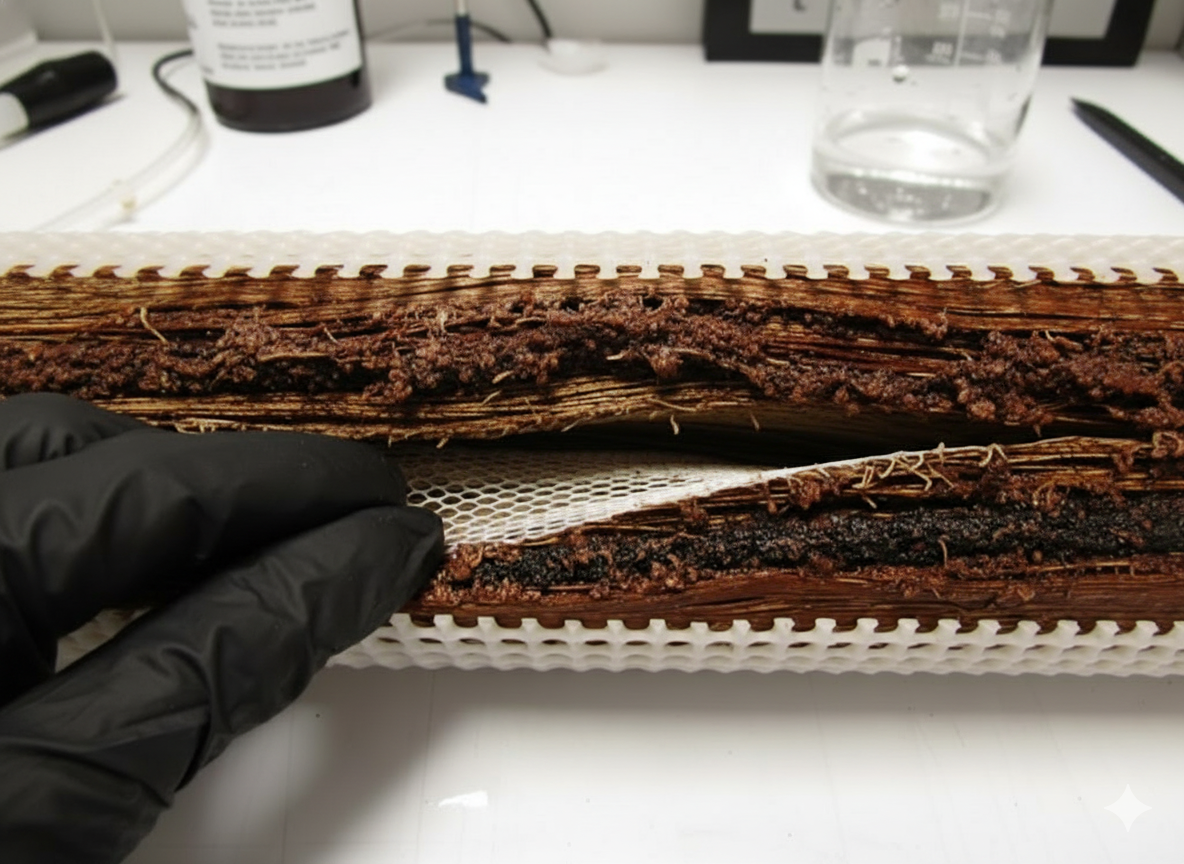

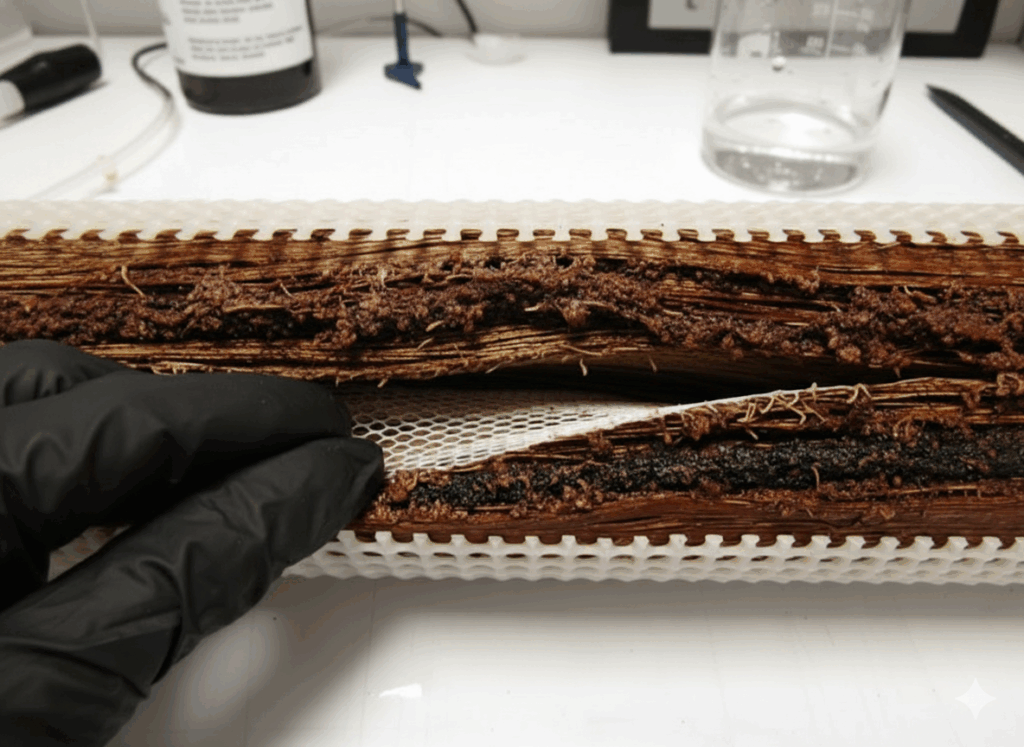
Membrane fouling is arguably the single largest operational challenge in any Ultrafiltration (UF) system. When particles accumulate on or within the membrane surface, system efficiency plummets, leading to higher energy consumption, increased chemical costs, and accelerated replacement cycles.
If left unchecked, fouling can quickly turn a profitable operation into a costly one due to frequent downtime and irreparable membrane damage.
At Real Mould, we understand that maximizing the life of components like our UF Membranes requires a proactive, multi-faceted strategy. This guide outlines five essential strategies to keep your system running optimally and guard against the four main types of fouling: organic, inorganic (scaling), biofouling, and colloidal.
1. Optimize Pretreatment for Impeccable Feed Water Quality
The first line of defense against fouling doesn’t happen at the membrane—it happens upstream. Inadequate pretreatment allows too many contaminants to pass through, overwhelming the UF system.
Action Steps:
-
Clarification and Coagulation: Implement robust chemical coagulation and flocculation steps to aggregate fine, suspended solids and colloids before they reach the UF unit.
-
Micron Filtration: Utilizing pre-filters (like cartridge or bag filters) before the UF system to catch any stray large particles is critical. The removal of high concentrations of Total Suspended Solids (TSS) and high Turbidity is paramount.
-
Targeted Chemical Dosing: For water sources prone to biofouling, consider continuous low-dose chemical disinfectants (like chlorine or non-oxidizing biocides) to control microbial growth in the feed water and piping system.
2. Master the Cleaning Regimen: Backwash and Chemical Cleaning
Regular, effective cleaning is essential for dealing with reversible and irreversible fouling.
Physical Cleaning (Backwash)
This is your routine defense against reversible fouling.
-
Protocol: Implement frequent, short backwash cycles (often combined with an air scour) to physically lift accumulated fouling material off the membrane surface.
-
Key Indicator: Schedule backwashing based on the rise in Transmembrane Pressure (TMP), not just on a timer.
Chemical Cleaning
This is necessary for removing tenacious, irreversible foulants.
-
Inorganic Fouling (Scaling): Use acid solutions (e.g., citric acid, hydrochloric acid) to dissolve mineral scale like calcium and iron precipitates.
-
Organic/Biofouling: Use alkaline solutions (e.g., caustic soda) often combined with an oxidant like sodium hypochlorite to break down biological matter and oils.
📝 Expert Tip: Never mix acid and alkaline solutions. Always follow strict safety protocols and rinse thoroughly between chemical steps.
3. Maintain Ideal Operational Parameters (Monitoring TMP and Flux)
Operating a UF system outside of its recommended limits will accelerate fouling. The goal is to maintain a stable, sustainable Flux Rate (the volume of water produced per unit area of membrane).
-
Transmembrane Pressure (TMP) Monitoring: TMP is the pressure difference driving the water across the membrane. A gradual, steady rise in TMP is the primary indicator of fouling. If TMP increases rapidly, you may need an immediate chemical clean. Never operate the system at a sustained, high TMP, as this compacts the fouling layer, making it irreversible.
-
Flux Maintenance: Operate the UF unit at a conservative, lower flux rate than its maximum design capacity. This reduces the hydraulic drag on the membrane surface, minimizing the speed at which particles are pulled into the pores.
4. The Right Materials Matter: Choose High-Quality UF Membranes
The physical and chemical composition of the membrane itself plays a large role in its resistance to fouling.
High-quality membrane modules, such as those provided by Real Mould, utilize materials and designs that inherently resist common foulants.
-
Material Choice: Certain materials, like Hydrophilic Polyethersulfone (PES) or specifically modified Reinforced Polyvinylidene Fluoride (RPVDF), are often more resistant to organic fouling than others due to lower surface energy.
-
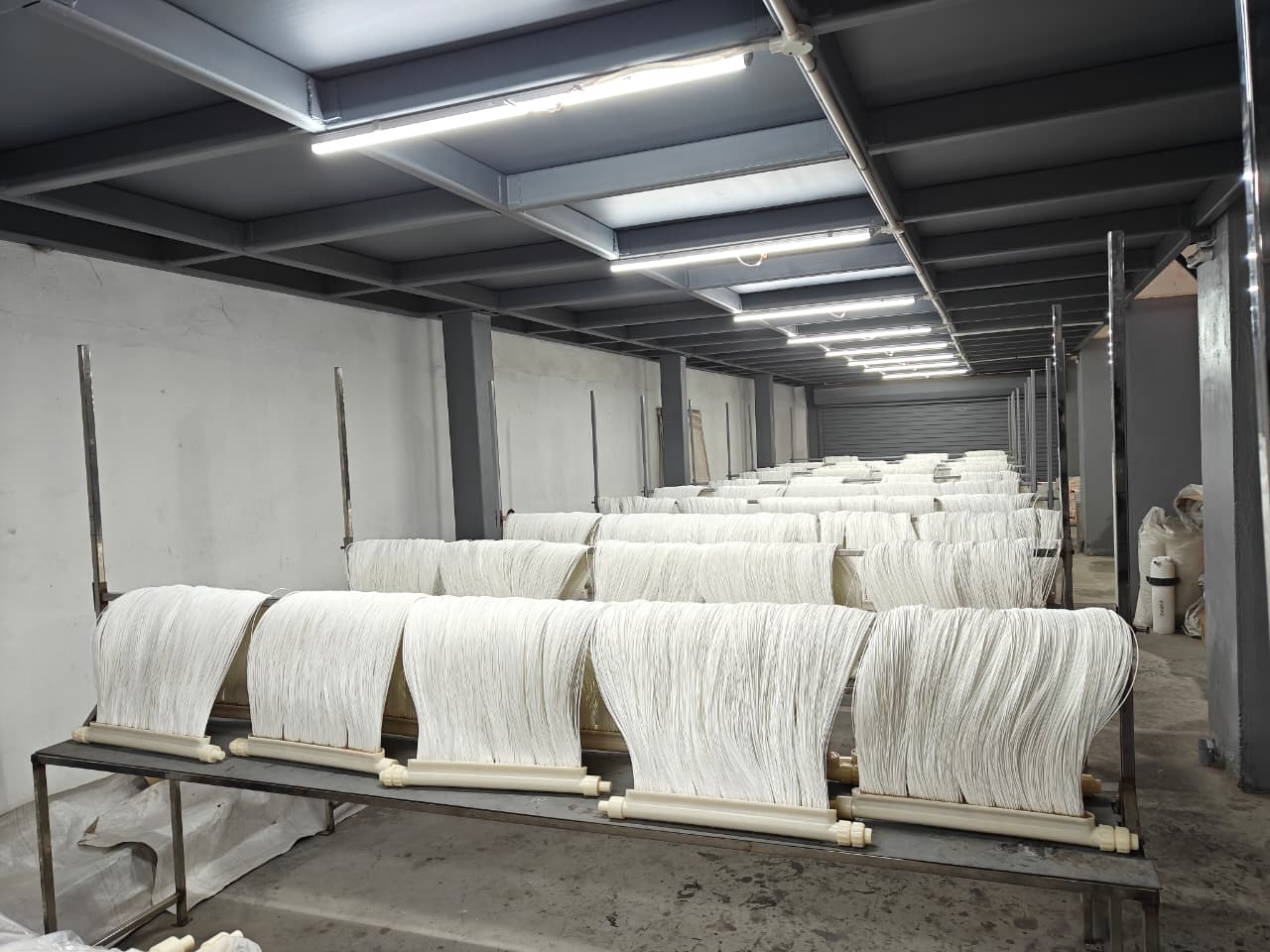
Module Design: The configuration (e.g., hollow fiber) and potting material must be robust to withstand repeated backwashing and chemical cleaning cycles without failure.
⭐ RhyLOX Advantage: We design our UF Membranes and related components like the Membrane Connector to offer superior chemical and mechanical resistance, ensuring optimal performance under demanding operating conditions.
5. Proactive Integrity Testing and Sealing
A clean membrane that is structurally compromised offers no benefit. System integrity checks are necessary to ensure the quality of the treated water.
-
Integrity Testing: Perform routine tests (such as a Pressure Decay Test or Bubble Point Test) on your UF modules. These tests detect broken fibers or failed seals that allow raw water to bypass the filtration mechanism.
-
Component Integrity: Regularly inspect and replace key sealing parts, like O-Rings or couplings, which can degrade over time. Failed seals can lead to internal leakage, compromising the entire batch of treated water.